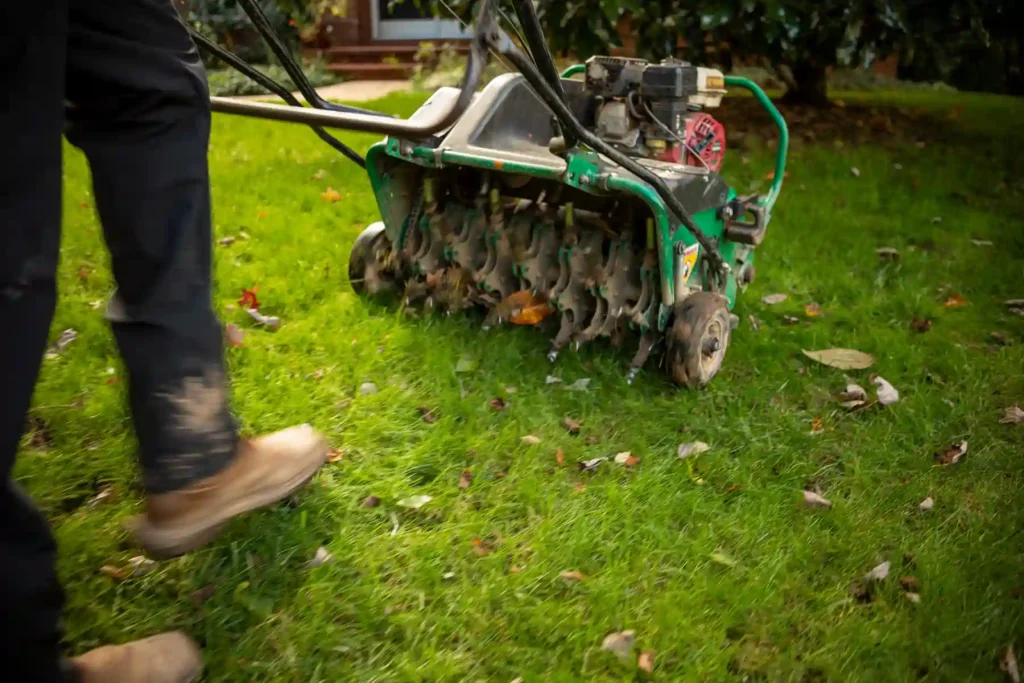
Sustainable lawn aeration techniques play an essential role in enhancing the vigor of commercial landscapes. By prioritizing soil health, businesses can create environments that are not only attractive but also resilient. Core aeration stands out for its ability to improve nutrient access and promote robust grass growth.
Understanding the best practices for aeration, along with the right equipment and methods, can greatly affect long-term maintenance costs and overall landscape quality. What strategies should businesses consider to optimize these benefits?
Key Takeaways
- Implement core aeration to improve soil structure, enhancing nutrient access and promoting healthier turf growth in commercial landscapes.
- Utilize organic amendments like compost to boost microbial activity, improving soil health sustainably and reducing the need for chemical fertilizers.
- Consider cover crops and mulching to enhance organic matter, promote water retention, and control erosion in commercial lawns.
- Choose appropriate aeration techniques based on soil type, climate, and specific landscape goals to maximize effectiveness and sustainability.
- Regularly measure soil compaction and grass health to refine aeration strategies and ensure the long-term vitality of commercial landscapes.
Why Lawn Aeration Matters for Commercial Spaces
Lawn aeration serves as an essential practice for enhancing the health and appearance of commercial landscapes. For businesses, implementing effective lawn aeration techniques is vital for promoting robust turf growth and improving soil quality. This process alleviates soil compaction, allowing air, water, and nutrients to penetrate more deeply, which supports healthier root systems.
Well-aerated lawns not only enhance aesthetic appeal but also create inviting environments that attract customers and foster a sense of community. Regular aeration contributes to the longevity of turf, reducing the need for frequent replacements and minimizing maintenance costs. By prioritizing lawn aeration techniques for businesses, organizations can invest in sustainable landscaping practices that yield long-term benefits for both the environment and their bottom line.
Sustainable Methods for Improving Soil Health
Effective lawn aeration techniques for businesses not only enhance immediate visual appeal but also lay the groundwork for sustainable soil health. By improving soil structure, these methods facilitate better air, water, and nutrient penetration. Employing practices such as core aeration and utilizing organic amendments helps foster beneficial microbial activity, which can transform compacted soils into vibrant ecosystems. Additionally, integrating cover crops and mulching can enhance organic matter, further enriching the soil.
These sustainable methods not only support plant growth but also contribute to water retention and erosion control. For businesses committed to environmental stewardship, adopting these approaches cultivates a thriving landscape, ensuring long-term health and resilience. Embracing these sustainable lawn aeration techniques for businesses promotes a sense of belonging and responsibility within the community.
How to Choose the Best Lawn Aeration Techniques for Your Business?
Choosing the best lawn aeration techniques for a business involves careful consideration of various factors, including soil conditions, climate, and desired outcomes. Businesses should first assess their soil type, as compacted or clay-heavy soils may require different techniques than sandy soils. Climate also plays a significant role; cooler regions might benefit from fall aeration, while warmer climates may see better results in spring.
Additionally, businesses should define their goals, whether enhancing soil health, improving drainage, or promoting healthier grass growth. Evaluating the size of the lawn and available resources can also influence the decision. By understanding these factors, businesses can select the most effective lawn aeration techniques for their specific needs, ultimately fostering a vibrant and sustainable landscape.
What Equipment Do You Need for Effective Aeration?
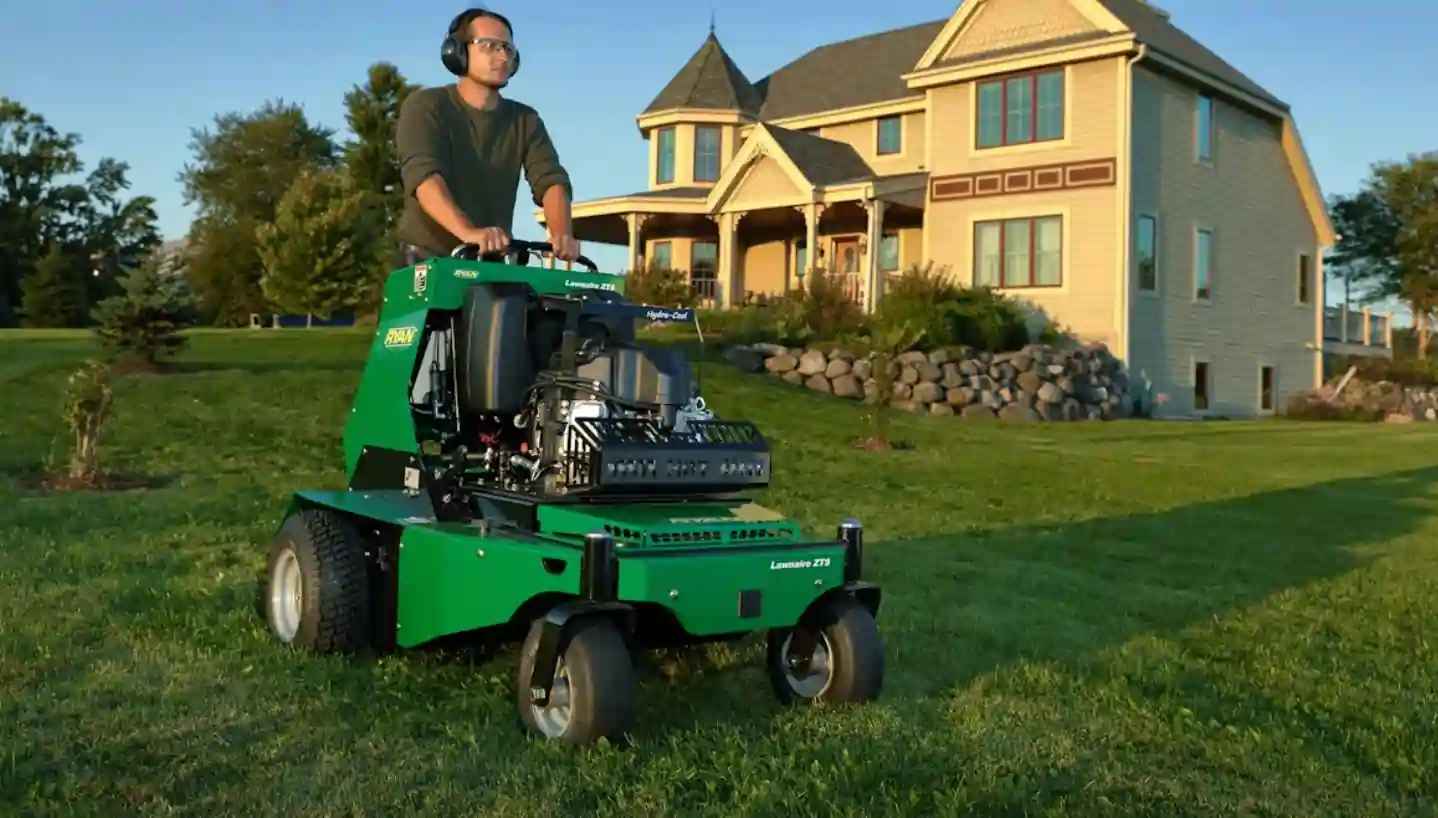
To achieve successful lawn aeration, businesses need to equip themselves with the right tools tailored for their specific landscape requirements. Vital equipment includes core aerators, which remove soil plugs to enhance air and nutrient penetration. For larger areas, tow-behind aerators, attached to mowers or utility vehicles, offer efficiency and uniform coverage.
Hand-held aerators can be useful for smaller or intricate spaces where precision is essential. Additionally, businesses may consider spike aerators, though their effectiveness can vary compared to core aerators. Proper maintenance of all equipment guarantees longevity and peak performance. Investing in quality tools not only improves aeration outcomes but also promotes sustainable lawn care practices, aligning with the broader goal of enhancing commercial landscapes.
How to Measure the Effects of Aeration on Your Landscape?
Measuring the effects of aeration on a landscape is essential for businesses looking to assess the success of their lawn aeration techniques. This process involves evaluating several key metrics, including soil compaction levels, grass health, and moisture retention. Soil tests can quantify compaction and identify nutrient availability, while visual inspections can reveal improvements in turf density and color.
Additionally, tracking water usage before and after aeration provides insights into moisture retention. Utilizing these methods allows businesses to create a thorough report on the effectiveness of their aeration efforts. By regularly measuring these parameters, companies can refine their strategies, ensuring sustainable practices that foster lush, healthy landscapes that resonate with clients and the community.
Frequently Asked Questions
How Often Should Commercial Lawns Be Aerated?
Commercial lawns should typically be aerated once or twice a year, depending on soil compaction and grass type. This practice enhances root growth and improves overall lawn health, benefiting both aesthetics and environmental sustainability.
Can Lawn Aeration Help With Pest Control?
Lawn aeration can enhance pest control by improving soil health, promoting beneficial microorganisms, and reducing compaction. These factors contribute to a robust ecosystem, making lawns less hospitable to harmful pests, ultimately supporting healthier landscapes.
What Time of Year Is Best for Aeration?
The best time for lawn aeration typically falls in early spring or early fall. This timing allows for ideal soil conditions, promoting healthy root growth and enhancing overall lawn resilience against pests and environmental stressors.
Are There Any Risks Associated With Lawn Aeration?
Lawn aeration carries risks such as soil compaction, potential damage to existing roots, and the introduction of weeds. Proper timing and technique can mitigate these issues, ensuring healthier landscapes for businesses and commercial properties.
How Do Weather Conditions Affect Aeration Results?
Weather conditions considerably impact aeration results. Ideal soil moisture enhances aeration effectiveness, while extreme temperatures or drought can hinder soil penetration. Understanding these variables allows businesses to schedule aeration for maximum benefits and healthier landscapes.
Conclusion
Incorporating sustainable lawn aeration techniques is essential for enhancing soil health and fostering vibrant commercial landscapes. By utilizing core aeration, organic amendments, and tailored practices, businesses can not only improve grass growth but also create environmentally friendly spaces that attract customers.
The right equipment and consistent measurement of aeration effects further guarantee long-term success. Ultimately, these strategies contribute to reduced maintenance costs and a more resilient, appealing environment, aligning with both ecological and business objectives.
You May Also Like to Read: