Tech building owners face significant challenges in maintaining their properties. Roof integrity is essential to operational efficiency and cost management. Several indicators can signal underlying issues that require immediate attention. Unusual energy bills, visible water stains, and compromised shingles are just a few signs that may indicate deeper problems. Understanding these signs can prevent costly repairs down the line. Awareness of these issues is vital for effective maintenance strategies. What are the specific signs to look for?
Key Takeaways
- Unusual Energy Bills: Sudden spikes indicate roof inefficiencies, leading to increased heating or cooling demands and higher costs.
- Visible Water Stains: Discolored patches on ceilings or walls suggest water intrusion and compromised roofing materials.
- Cracked or Missing Shingles: Visible cracks or missing shingles expose underlying materials, risking further damage and reducing roof effectiveness.
- Pooling Water: Accumulation of water signals potential structural damage and indicates inadequate drainage or roofing compromise.
- Sagging Areas: Visible dips or depressions in the roof can indicate serious structural issues needing immediate professional assessment.
Why Roof Maintenance Is Essential
Maintaining a commercial roof is essential for the longevity and performance of a tech building. Regular inspection and maintenance can identify early signs commercial roof problems, such as bubbling, cracking, or water stains. These indicators not only compromise structural integrity but also hinder operational efficiency. A proactive approach guarantees that potential issues are addressed before they escalate into costly repairs. Additionally, maintaining the roof enhances energy efficiency, contributing to a more sustainable business model. Building owners should prioritize roof maintenance as part of their overall facility management strategy, fostering a sense of community and reliability among tenants and employees alike. By recognizing and responding to signs of commercial roof problems, owners can protect their investments and guarantee a safe environment.
Signs of Unusual Energy Bills
Unusual energy bills can be a telling indicator of underlying issues with a commercial roof. When a roof is compromised, energy efficiency diminishes, leading to increased heating or cooling demands. This may occur due to inadequate insulation, air leakage, or moisture infiltration, all contributing to higher operational costs. Building owners should monitor energy bills for sudden spikes or persistent increases, as these fluctuations can signify roof-related inefficiencies. Regular energy audits can help identify discrepancies and pinpoint the source of excess consumption. Addressing these signs of commercial roof problems promptly not only enhances energy efficiency but also prolongs the roof’s lifespan, ultimately fostering a more sustainable and cost-effective operational environment for tech building owners.
Signs of Visible Water Stains
Visible water stains are a significant indicator of potential issues with a commercial roof. These stains often manifest as discolored patches on ceilings or walls, signaling that water intrusion has occurred. The presence of water stains can indicate compromised roofing materials, inadequate drainage, or even structural damage. Building owners should regularly inspect both the interior and exterior of their properties for these signs. Early detection is essential, as prolonged exposure to moisture can lead to mold growth and further deterioration of the building’s integrity. Recognizing visible water stains promptly allows tech building owners to address underlying problems, ensuring the longevity and safety of their commercial roofs. These proactive measures can ultimately save costs associated with extensive repairs.
Identifying Signs of Cracked or Missing Shingles
Cracked or missing shingles are vital indicators of potential commercial roof problems that building owners must monitor closely. Addressing these issues promptly can prevent further damage and costly repairs. Building owners should look for specific signs that indicate deterioration:
- Visible cracks in shingles, compromising their integrity
- Missing shingles exposing underlying materials
- Curling edges indicating age or improper installation
- Granule loss leading to reduced effectiveness
Regular inspections are important for maintaining the roof’s condition. Identifying these signs early allows for timely intervention, safeguarding the building’s structure and value. By being proactive, tech building owners can guarantee their roofs remain functional and effective, ultimately contributing to a safe and secure environment. Recognizing these signs of commercial roof problems fosters a sense of responsibility and community among owners.
Spotting Signs of Mold and Mildew
How can building owners effectively identify the presence of mold and mildew on their commercial roofs? Observing discoloration on roofing materials is a primary indicator; dark stains or patches often signal mold growth. Additionally, a musty odor emanating from the roof can suggest underlying moisture issues conducive to mold proliferation. Building owners should inspect areas with poor ventilation, as stagnant air can promote mildew formation. Regularly checking gutters and downspouts for debris buildup is essential, as this can lead to water retention and subsequent mold growth. Moreover, visible water stains on interior ceilings may indicate roof leaks, which can exacerbate mold issues. Recognizing these signs of commercial roof problems early can help mitigate further damage and maintain a healthy building environment.
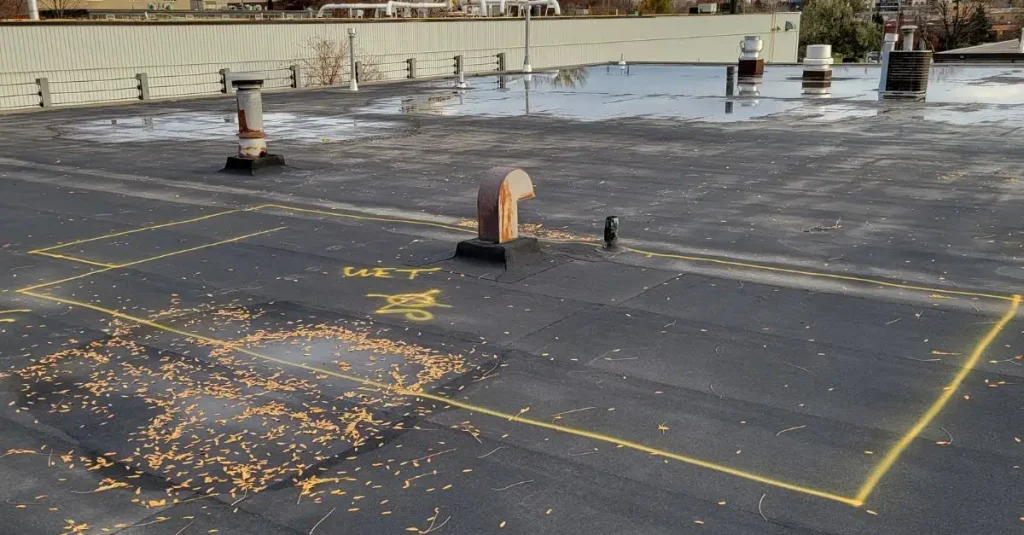
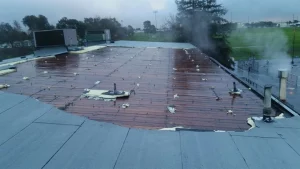
Signs of Pooling Water on Flat Roofs
Pooling water on flat roofs presents a significant concern for building owners, as it can lead to structural damage and compromised roofing materials. Identifying signs of pooling water is vital in maintaining the integrity of commercial roofs. Key indicators include:
- Visible water accumulation in low-lying areas
- Increased vegetation growth, such as moss or algae
- Damage to roofing materials, including blistering or cracking
- Unpleasant odors emanating from stagnant water
Addressing these signs promptly can prevent costly repairs and guarantee the longevity of the roof. Building owners should conduct regular inspections and consult with roofing professionals to address any concerns. Recognizing these signs is essential for maintaining a safe and functional environment, ultimately supporting the overall health of the building.
Detecting Signs of Sagging Roof Areas
Detecting signs of sagging roof areas is crucial for building owners, as even minor sagging can indicate underlying structural issues that may lead to significant damage. Common indicators include visible dips or depressions, which may appear as uneven roof surfaces. Additionally, interior signs, such as cracks in the ceiling or water stains, may signal that the roof structure is compromised. Regular inspections are essential; building owners should utilize professional assessments to identify potential problems early. Monitoring drainage systems can also help prevent moisture accumulation that contributes to sagging. By recognizing these signs of commercial roof problems, owners can take proactive measures, ensuring the integrity of their buildings and safeguarding their investments against costly repairs.
Frequently Asked Questions
How Often Should I Inspect My Commercial Roof?
Commercial roofs should be inspected at least twice a year, ideally in spring and fall. Regular inspections help identify signs of commercial roof problems early, ensuring timely maintenance and prolonging the roof’s lifespan for building owners.
What Are the Costs Associated With Roof Repairs?
The costs associated with roof repairs can vary considerably, typically ranging from $500 to $5,000, depending on the extent of damage, materials used, and specific roofing systems, necessitating careful budgeting by property owners.
Can I Perform Roof Maintenance Myself?
Performing roof maintenance independently is feasible for some individuals, provided they possess necessary skills and safety equipment. However, consulting a professional is often advisable to guarantee thorough inspection and adherence to industry standards, particularly regarding signs of commercial roof problems.
How Do Weather Conditions Affect Roof Longevity?
Weather conditions greatly impact roof longevity; extreme temperatures, heavy rainfall, and high winds can accelerate wear and compromise materials. Regular assessments help identify potential vulnerabilities, ensuring timely maintenance and prolonging the roof’s overall lifespan and effectiveness.
When Should I Consider a Roof Replacement?
A roof replacement should be considered when significant leaks, persistent moisture, visible damage, or extensive wear are evident. Additionally, if maintenance costs exceed replacement expenses, timely action becomes essential to protect the building’s integrity.
Conclusion
To sum up, recognizing the seven critical signs of roof problems is essential for tech building owners to maintain operational efficiency and prevent costly repairs. Unusual energy bills, visible water stains, cracked or missing shingles, and signs of pooling water or sagging areas can indicate underlying issues that require prompt attention. Regular inspections and timely interventions not only prolong the roof’s lifespan but also safeguard the building’s structural integrity and overall functionality. Proactive maintenance is key to ensuring long-term performance.
You May Also Like to Read: